Soutaipasu: The Art of Crafting Unique Flavors
What is Soutaipasu?
Soutaipasu is a culinary concept that embodies the art of crafting unique flavors through a harmonious combination of diverse ingredients and techniques. Originating from the rich culinary traditions of East Asia, soutaipasu captures the essence of flavors that are both intricate and nuanced. It resonates deeply within the cultural frameworks of various regions, where the balance of taste is paramount, and food is often regarded as a significant part of communal and familial gatherings.
The term ‘soutaipasu’ itself suggests a philosophy of combining traditional ingredients to create original taste profiles. These ingredients can range from staple items such as rice, vegetables, and meats, to more exotic elements like fungi and spices that elevate the dish’s overall flavor. It is not just the ingredient selection; the techniques employed—such as steaming, braising, or marinating—also contribute significantly to developing the delightful textures and flavors that characterize soutaipasu dishes.
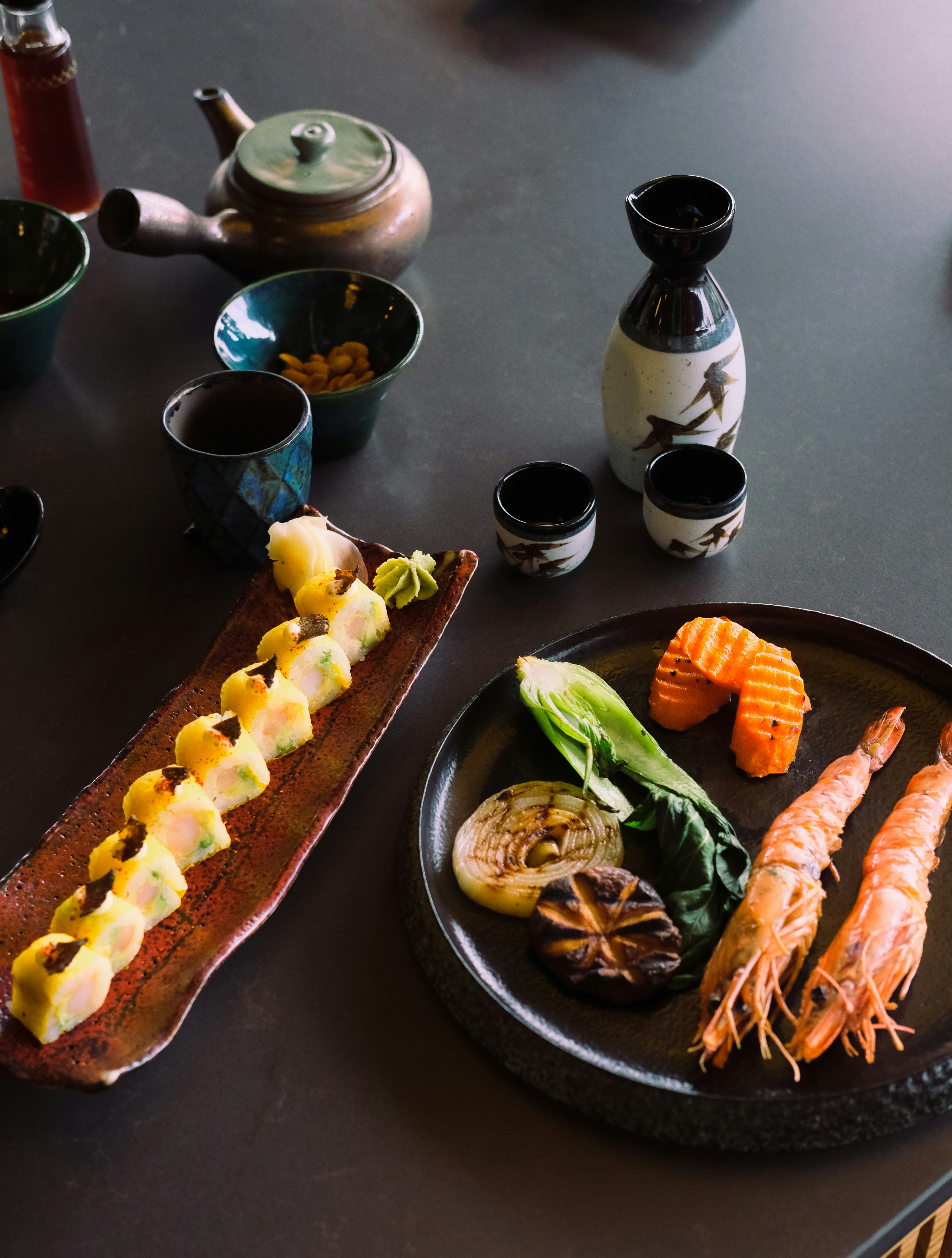
The cultural significance of soutaipasu is also noteworthy. In various culinary traditions that recognize this art form, such as Japanese Kaiseki or Chinese banquet cuisine, food is meticulously prepared and presented as a form of aesthetic expression. As a result, each dish tells a story, integrating historical ingredients and local tastes into a cohesive dining experience. This blend of flavors is cherished as it provides the eater with not just nourishment but also an experience of culture and creativity.
In summary, soutaipasu is much more than mere cooking; it is an immersive experience that encourages exploration, creativity, and appreciation for culinary arts across cultures. The unique flavors it produces reflect a rich tapestry of traditions that continue to evolve, inviting both chefs and food enthusiasts to partake in its ongoing journey.
The Unique Ingredients of Soutaipasu
The art of crafting soutaipasu is deeply rooted in the thoughtful selection of its unique ingredients, which play a pivotal role in defining its flavors. At the heart of soutaipasu is a blend of spices and traditional elements that varies across regions, showcasing diverse cultural influences. Common components include aromatic herbs, various dried fruits, and specific grains that enhance the flavor profile while providing texture.
One of the key ingredients in soutaipasu is the specific grain varieties used, such as rice or millet. These grains are not only the base of the dish but also contribute to its nutritional value. Depending on the region, different grains may be favored for their flavor and cooking properties, resulting in variations in the final dish’s texture and taste.
The use of spices and herbs is equally important; for instance, a blend of local spices can enrich the dish, offering hints of heat and complexity. Common spices used in soutaipasu include cumin, fennel, and cardamom, each bringing its own distinct flavor. Moreover, the sourcing of fresh herbs, such as cilantro or basil, ensures that the dish remains vibrant and fragrant.
Another crucial aspect of the ingredients in soutaipasu is the incorporation of specially prepared dried fruits and nuts, which add sweetness and crunch. These components not only enhance the dish’s flavor but create a delightful contrast in texture. Depending on local customs, certain fruits may be more prevalent, influencing the overall character of the soutaipasu.
By sourcing high-quality ingredients, culinary artisans can ensure that each batch of soutaipasu reflects the traditional methods of preparation while embodying the unique characteristics of their region. Consequently, the choice of ingredients is instrumental in delivering an authentic soutaipasu experience, celebrated for its intricate and delightful flavors.
Techniques and Recipes for Perfecting Soutaipasu
The preparation of soutaipasu requires a blend of traditional techniques and contemporary culinary methods to achieve a unique flavor profile. One fundamental approach is the art of marination, which enhances the overall taste and tenderness of the dish. Begin by selecting quality ingredients; for instance, fresh vegetables and meats can significantly affect the final flavor. A typical marinade might include soy sauce, garlic, ginger, and a touch of honey to add depth and complexity.
To create an authentic soutaipasu dish, it is essential to master the cooking technique known as “slow-cooking.” This method allows flavors to meld together beautifully. For example, once marinated, the ingredients can be placed in a slow cooker for several hours, allowing them to develop robust flavors. It is critical to monitor the cooking temperature; low and slow helps to retain moisture and ensures even cooking throughout.
Another popular technique involves stir-frying. This method requires a hot wok or frying pan, as high heat allows for quick cooking, preserving the crispness and nutritional value of the vegetables. Begin with a small amount of oil, then add the marinated meat, cooking until browned. Next, incorporate vegetables, maintaining their vibrancy and crunch while adding some broth to create a delightful sauce. Stir-frying is particularly effective in bringing out the fresh, aromatic qualities associated with soutaipasu.
For those looking to add variation, consider experimenting with different spices and herbs. For instance, incorporating lemongrass or kaffir lime leaves can impart a distinctive fragrance that sets your soutaipasu apart. When preparing this dish, always taste as you go to ensure a balanced flavor profile.
In summary, mastering soutaipasu involves employing a variety of techniques such as marination, slow-cooking, and stir-frying, alongside the thoughtful addition of spices. By following these methods and experimenting with flavors, anyone can recreate the essence of soutaipasu at home.
Soutaipasu in Contemporary Cuisine
The emergence of soutaipasu in contemporary cuisine represents a significant evolution in the culinary landscape, often highlighted by its incorporation into fusion dishes. Chefs across the globe have embraced soutaipasu, utilizing its unique flavor profile to create innovative dishes that captivate the palate. This adaptability not only showcases the versatility of soutaipasu but also emphasizes its relevance in today’s culinary arts.
Restaurants are increasingly experimenting with soutaipasu, combining it with traditional ingredients to create harmonized flavors. For instance, a gourmet restaurant might blend soutaipasu with native herbs to enhance a classic dish, thereby giving it a modern twist. Additionally, the integration of soutaipasu into desserts is becoming a popular trend. This fusion of sweet and savory elements highlights its role in broadening the flavor spectrum, making it an exciting choice for both chefs and diners alike.
As evidenced by the testimonies of culinary experts, the increasing popularity of soutaipasu can be attributed to its ability to evoke curiosity and stimulate the senses. Renowned chefs often speak of their fascination with soutaipasu’s adaptability, stating that it can be tailored to fit various culinary traditions while maintaining its distinctive character. This consistent evolution ensures that soutaipasu does not remain stagnant within one cultural framework; instead, it actively participates in the global culinary dialogue.
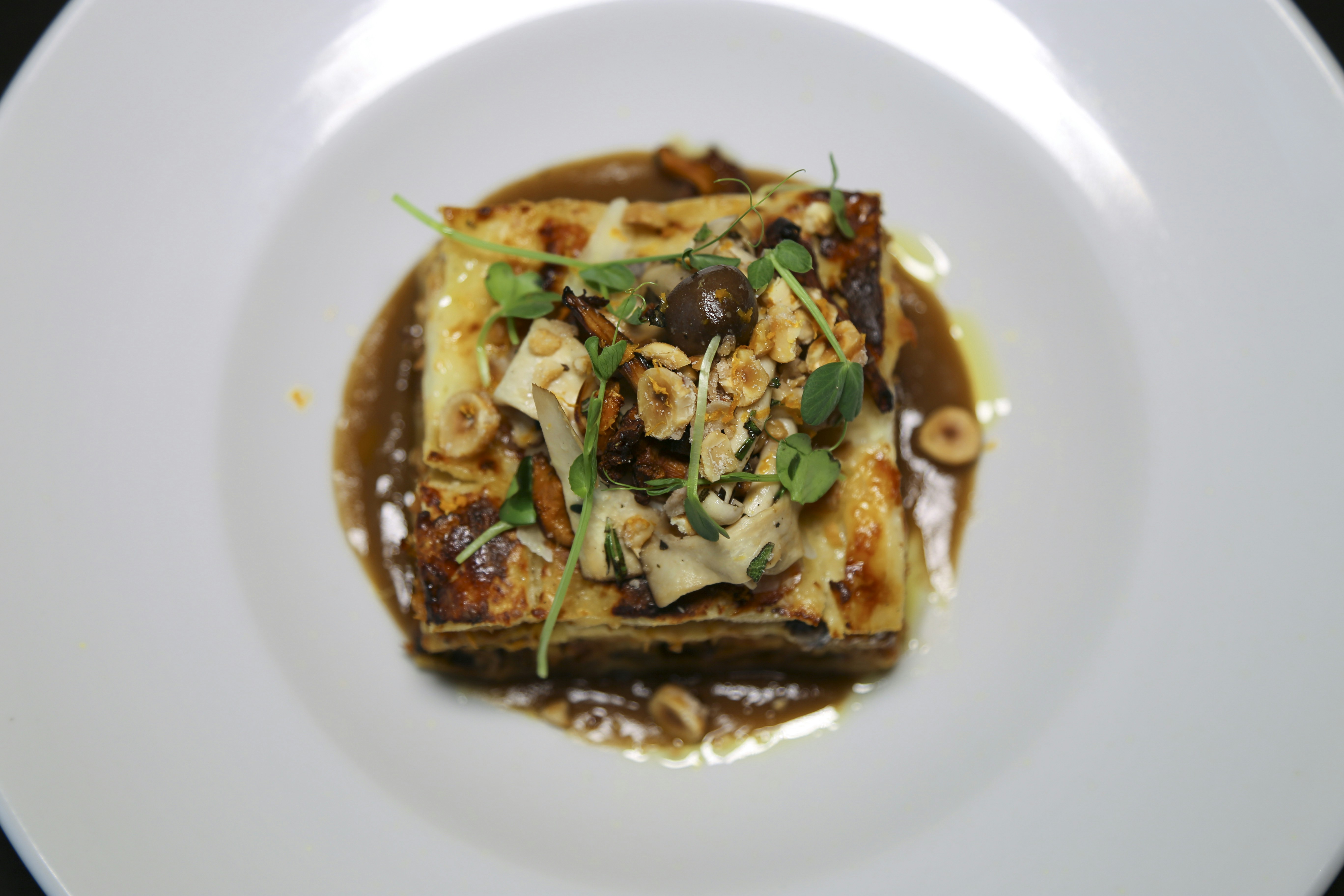
Furthermore, food enthusiasts are drawn to venues that showcase these innovative interpretations of soutaipasu. The aesthetic presentation of dishes featuring soutaipasu is equally critical and is often described as visually compelling. Chefs utilize artistic plating techniques to highlight the unique aspects of soutaipasu, which not only enhances the dining experience but also appeals to a broader audience. The ongoing exploration of this ingredient confirms its vital role in the context of contemporary cuisine, synthesizing tradition with modernity.